Join us for an in-depth look at the future of the Similkameen River as we explore the historic effort to remove the Enloe Dam. Since its construction in 1923, this non-operational structure has blocked vital fish passage and disrupted the natural flow of nutrients and sediment.
Following a landmark 2025 feasibility study funded by the Bipartisan Infrastructure Law, experts have determined that dam removal is not only possible but can be achieved with minimal sediment removal. This presentation will cover:
The Findings: Insights from the technical, financial, and risk assessments that paved the way for removal.
The Impact: How reconnecting the river will open 1,520 miles of spawning and rearing habitat for federally listed Steelhead and Spring Chinook salmon.
Next Steps: A look at the current design progress, supported by the National Fish Passage Program, as the project moves toward a free-flowing river.
Come learn how this significant restoration project is set to revitalize the Similkameen River Basin for generations to come.
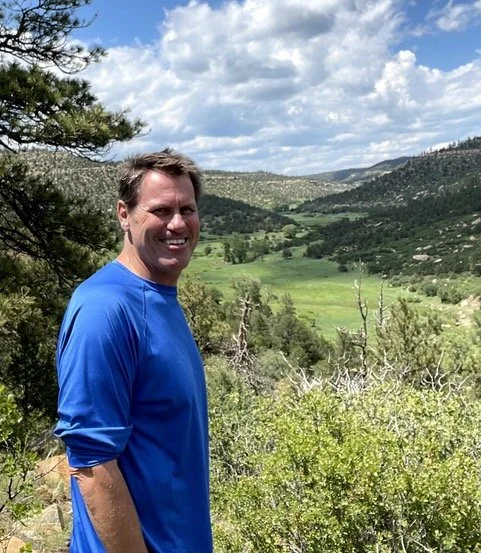
Meet the Speaker: Chris Fisher is a fisheries biologist who has been employed by the Confederated Tribes of the Colville Reservation for nearly 30 years. He is a native of Michigan but has lived in Washington since 1996.After completing a 4-year commitment in the United States Air Force he enrolled at the University of Georgia, where he earned a degree in Forest Resources, with a minor in fisheries management. He then earned a Master’s Degree in Fisheries Science from the South Dakota State University. He has worked for the Idaho Fish & Game and the U.S. Forest Service prior to his employment with the Colville Tribes. Chris has been involved in the evaluation of Enloe Dam, at some level, over the past decade and is here today to summarize recent history, results of the sediment sampling, fish navigation and the conclusion of a two year feasibility study.